







Search Results for: Qingkai Farm Reserve Coffee Beans
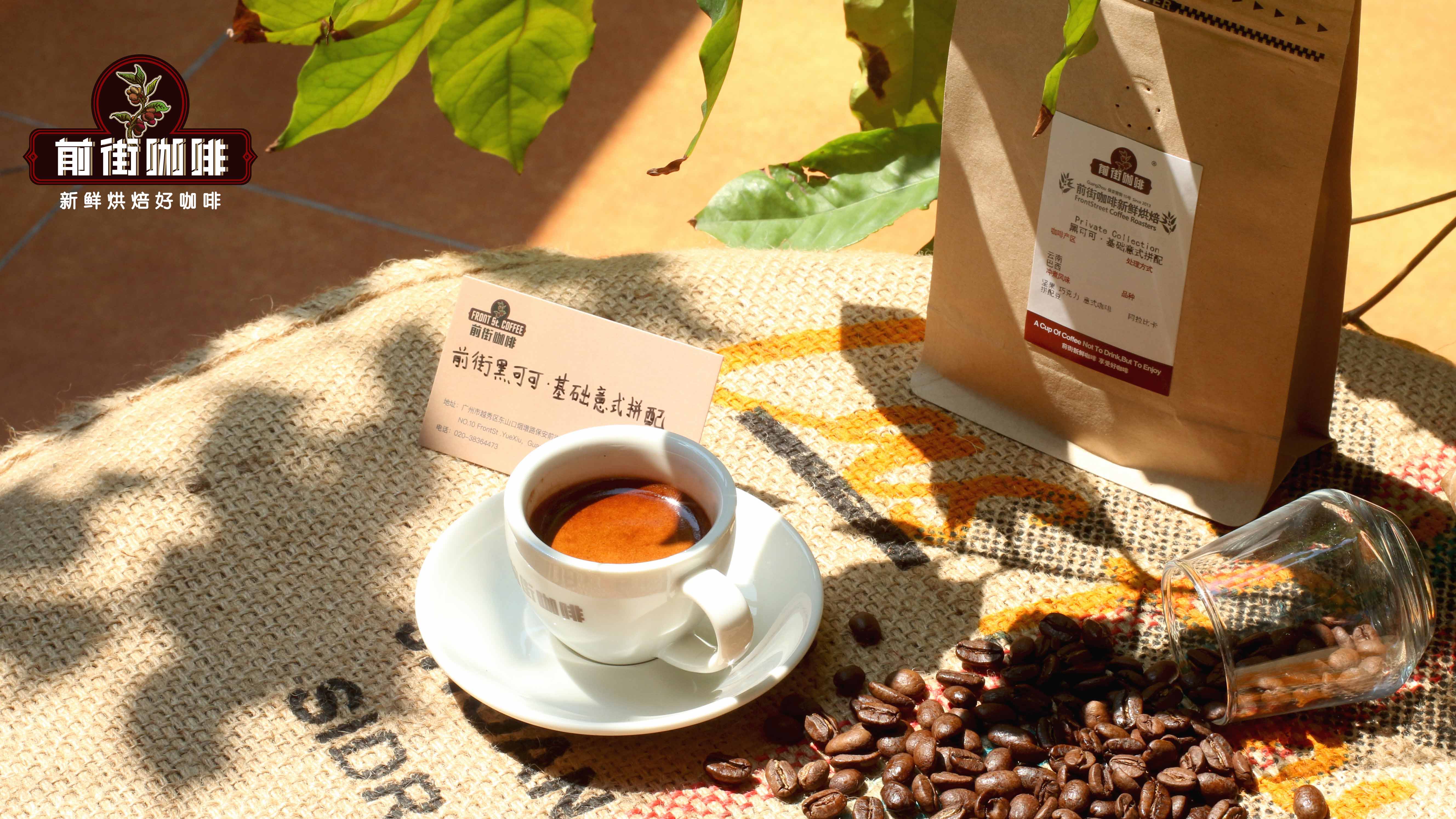
Starbucks Yunnan Reserve Coffee Bean Flavor Analysis: Qingkai Farm and Pu'er Baoshan Blend Bean Review
As China's only coffee-producing region with export capacity, Yunnan has seen its profile in the international market rise steadily in recent years. Since launching the Fengwu Xiangyun blend, Starbucks has been cultivating the Yunnan producing region for more than a decade, and in 2023 it released two Reserve coffees made entirely from single-origin Yunnan beans—the Qingkai Farm Reserve coffee and the Pu'er Baoshan blend. The former uses a mechanical drying method to cope with the rainy season, while the latter, for the first time, adopts a light elegant roast profile and is blended from the Baoshan Zuoyuan and Pu'er Jinshan cooperatives. This article details the origin background, processing methods and flavor performance of these two beans, and also recommends Front Street Coffee's Yunnan small-bean and Black Cocoa basic blends, offering coffee lovers a more comprehensive buying reference. [more…]
Starbucks Yunnan Coffee Bean Flavor Analysis: Can Yunnan Arabica Be Used to Make Lattes and Cappuccinos?
Yunnan coffee has emerged in the specialty coffee scene in recent years. Starbucks has successively launched several Yunnan reserve coffee beans, including the Puer Baoshan blend and the Qingkai Farm reserve coffee beans, demonstrating strong recognition of the Yunnan growing region. Front Street Coffee also has its own exclusive Arabica plantation in Baoshan, Yunnan. This article will focus on the flavor characteristics of Starbucks' two Yunnan coffee beans, while also outlining the growing region distribution, cultivation history, main varieties, and processing methods of Yunnan coffee, and introducing Front Street Coffee's Yunnan Typica and Yunnan small-batch coffee beans, helping coffee enthusiasts gain a comprehensive understanding of the current state and charm of Yunnan coffee. [more…]
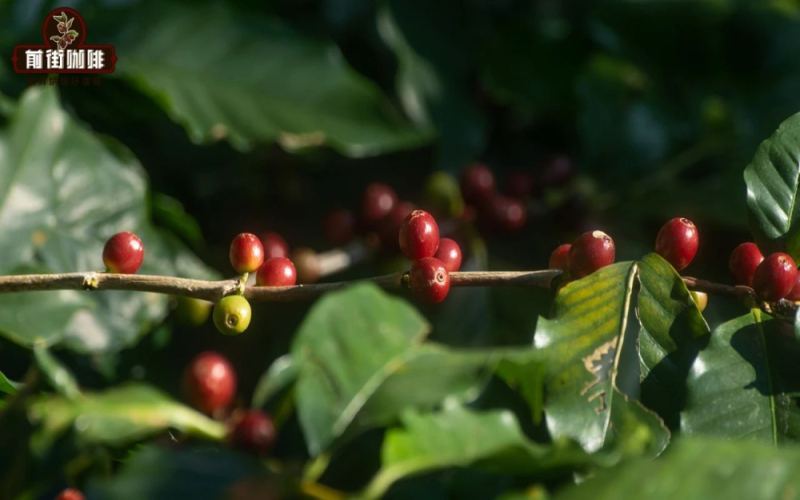
Starbucks Yunnan Reserve Coffee Bean Origin Traceability and Full Analysis of Catimor and Typica Variety Flavors
Yunnan coffee has been gaining increasing attention in the specialty market in recent years. Starbucks has continuously released Yunnan single-origin Reserve beans since 2017, as evidenced by the latest two products: the Puer Baoshan Blend and the Qingkai Farm. Front Street Coffee also owns an exclusive Arabica plantation in Baoshan. This article will start with the flavor characteristics of Starbucks' two Yunnan Reserve beans, systematically reviewing Yunnan coffee's origin advantages, the features of its four major producing regions, a century of cultivation history, the main cultivated varieties (Typica, Bourbon, Catimor), and processing methods. It will also include information on two single-origin beans produced by Front Street Coffee's Yunnan coffee estate, helping coffee enthusiasts fully understand the potential and charm of Yunnan coffee. [more…]

Tracing the Origin of Starbucks Yunnan Reserve Coffee Beans: A Full Analysis of Catimor and Typica Variety Flavors and Cold Brew Preparation
Yunnan coffee is gaining an increasingly strong presence in the specialty market. Starbucks has launched its Yunnan Reserve series for multiple consecutive years, from the Fengwu Xiangyun blend to the Puer-Baoshan blend and the Qingkai Farm Reserve, all presenting Yunnan flavors as either single-origin or blended offerings. Meanwhile, Front Street Coffee operates its own Arabica plantation in Baoshan, continuously promoting Yunnan Typica and Catimor varieties. This article will systematically review the flavor characteristics of two Starbucks Yunnan Reserve coffee beans, the growing conditions and historical context of Yunnan's main production regions (Dehong, Baoshan, Lincang, and Puer), the differences among the three major varieties—Typica, Bourbon, and Catimor—as well as the complete preparation methods for washed processing and Yunnan cold brew coffee, providing coffee enthusiasts with a reference that combines origin knowledge and practical value. [more…]

Exploring Ethiopia's Gesha Village Estate: The Origins, Grading System, and Full Flavor Analysis of Wild Geisha
When it comes to Geisha, most people first think of that cup of floral tea with rose aromas and citrus notes from Hacienda La Esmeralda in Panama. However, in the Bench Maji region of Ethiopia, there hides another estate famous for its native wild Geisha — Gesha Village. It was founded in 2011 by documentary filmmaker Adam Overton and his photographer wife Rachel Samuel, and boasts a strict grading system and a complete flavor traceability system. This article will take you deep into the discovery journey of Gesha Village, the grading standards for the Auction/ Gold/ Red/ Green/ Chaka lots, processing details, and block divisions, along with Front Street Coffee's brewing parameters and flavor descriptions for the Gold, Red, and Chaka lots, providing coffee lovers with a comprehensive guide to Gesha Village. [more…]
Exploring Ethiopia's Gesha Village Estate: A Complete Analysis of Wild Geisha Gold Label, Red Label, Chaka Flavors and Grading
In the world of coffee, Geisha is undoubtedly a shining name. Most people first think of the Geisha from Panama's Hacienda La Esmeralda, which after being identified for its unique flavor in 2003, went on to win numerous green bean competitions such as the BOP. However, in Ethiopia's Bench Maji region, there is also a village likewise named Geisha, where the Geisha grown is entirely different from Panama Geisha, yet equally stunning. Front Street Coffee will take you into Gesha Village Coffee Estate, from its discovery history and estate overview, to the grading system of Gold Label, Red Label, Green Label, and Chaka batches, and then to processing methods and block divisions, comprehensively unraveling the coffee secrets of this legendary estate. Whether you want to understand the flavor differences between Gesha Village Gold Label and Red Label, or are curious about the blending charm of the Chaka batches, this article will reveal them all for you one by one. [more…]
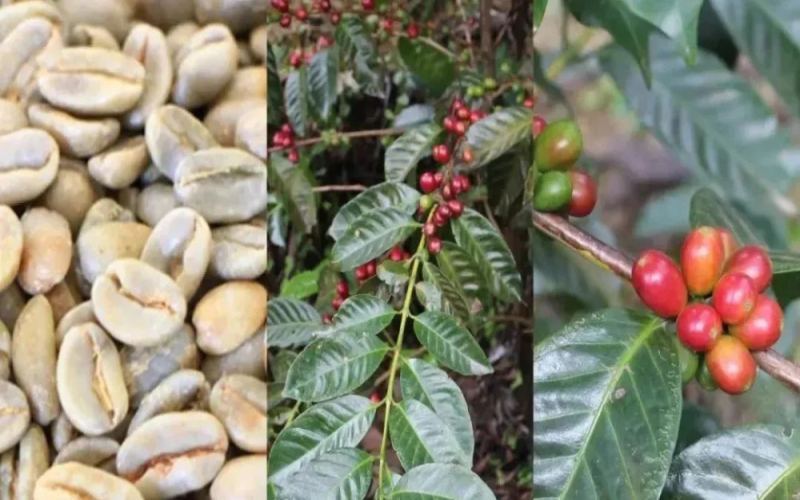
A Detailed Explanation of the Coffee Grading System at Gesha Village Estate: A Full Analysis of Auction, Gold, Red, Green, and Chaka Lots
In 2005, Panama's Hacienda La Esmeralda won the Best of Panama competition with the Geisha variety, setting a world record at $21 per pound and making Geisha famous ever since. Tracing its origins, this variety was first discovered in the Gesha region near the Kaffa forest in southwestern Ethiopia. In 2007, director Adam Overton and his photographer wife Rachel Samuel discovered the Gori Gesha forest while filming a coffee documentary, and later partnered with Willem, the owner of Panama's El Burro estate, to establish the 500-hectare Gesha Village Coffee Estate in the Bench Maji region in 2011. The estate cultivates three varieties — Geisha 1931, Gori Gesha, and Illubabor — divided into eight blocks, and drawing on the experience of renowned Panamanian estates, grades its coffee into five tiers: Auction, Gold, Red, Green, and Chaka. This article will analyze the characteristics and grading criteria of each tier one by one, giving you an in-depth understanding of this legendary estate's coffee grading system. [more…]
Hacienda La Esmeralda: Geographic Location and Sun-Dried Flavor Analysis of Panama BOP's Perennial Geisha Champion Estate
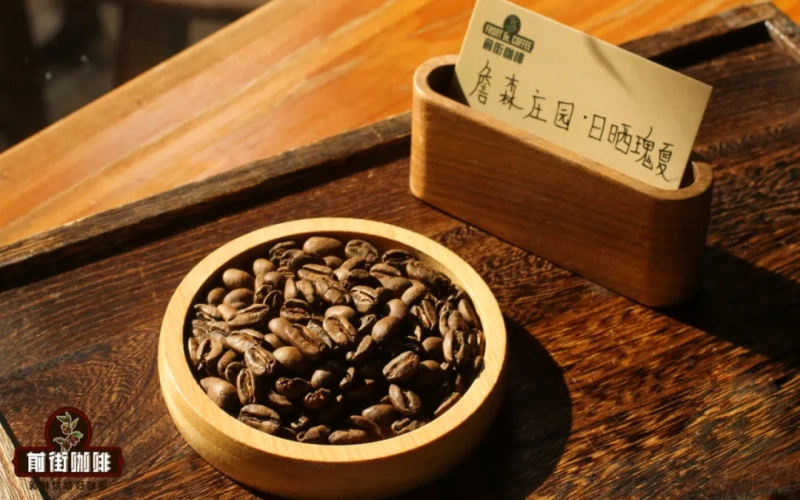
Hacienda La Esmeralda? No — Janson Coffee Farm is a name that cannot be overlooked on Panama's specialty coffee map. Since its debut at the Best of Panama (BOP) in 2013, it has repeatedly appeared on the winners' list. This family farm, now in its third generation, has become the showcase choice of many professional competitors thanks to its exquisite Geisha flavors. In this article, Front Street Coffee will provide a complete overview of Janson Coffee Farm, covering its history, geographical location, growing plots, processing methods, and the cupping performance of its natural Geisha, introducing you to this famous Panamanian estate located near the Talamanca Mountains and bordering a nature reserve. [more…]
How to drink Costa Rican Red Honey coffee beans? Hand-brew parameters and flavor analysis of Hacienda El Mirador Catuai
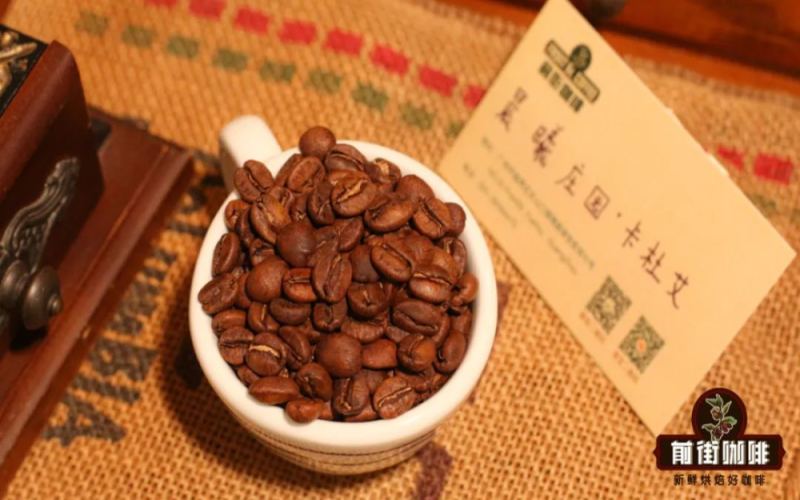
Costa Rica is renowned for its honey-processed coffee, and Hacienda El Mirador in the Tarrazú region is a prime example. This Front Street Coffee Costa Rica Hacienda El Mirador Red Honey Catuai comes from the Tarrazú region at an altitude of 1,750 meters, employs the red honey process, and showcases rich flavors of sweet orange, cream, grapefruit, honey, and black tea. This article will guide you through Hacienda El Mirador's growing background, the characteristics of the Catuai variety, and the features of the red honey process, while sharing Front Street's cupping experience and pour-over parameter recommendations to help you better brew this exceptionally sweet coffee. [more…]
Exploring Ethiopia's Bench Maji: A Complete Origin Analysis of Gesha Village Estate and the Native Geisha Variety
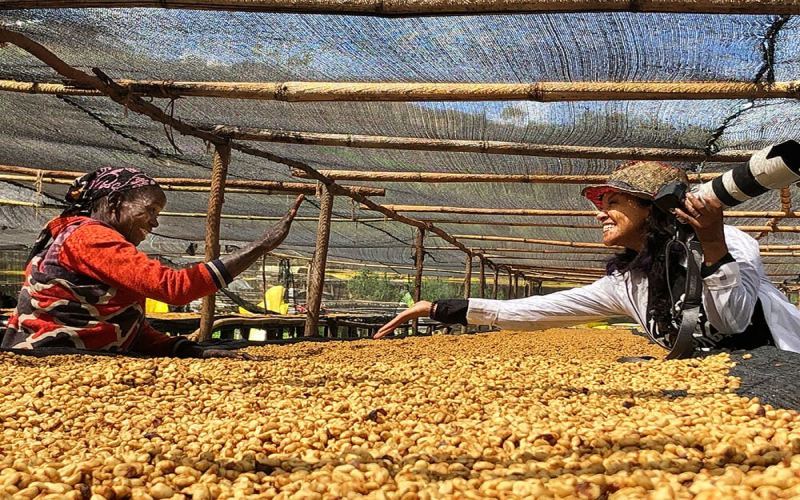
Ethiopia, as the birthplace of coffee, possesses the world's richest coffee gene pool, and the Bench Maji region on the western border is the original homeland of the renowned Geisha variety. This article systematically examines the unique characteristics of this region, from its geographical environment, regional divisions, and cultivation patterns to the varieties and grading systems of Geisha village estates. Front Street Coffee uses this year's new-crop Gold Label Geisha as an example to present the cupping flavors and in-store pour-over parameters, giving you a complete picture of Ethiopian Geisha from forest to cup. [more…]

Starbucks Reserve Blue Mountain Coffee Beans Explained: Jamaican Origin Varieties, Flavor, and Authenticity Identification Points
Starbucks Reserve stores release limited quantities of Jamaican Blue Mountain coffee beans every two years, sourced from Wallenford Estate, priced at about 398 yuan for 250 grams, with only about 3,500 bags available nationwide. Meanwhile, Front Street Coffee sells Blue Mountain No. 1 from Clifton Mount Estate, priced at 158 yuan/100 grams, which is the only estate in Jamaica with Rainforest Alliance certification. This article focuses on Blue Mountain coffee's origin and terroir, the evolution of the Typica variety, methods for identifying authenticity, the flavor differences between washed and natural processing methods, and Front Street Coffee's roasting recommendations and brewing parameters, helping coffee enthusiasts gain a comprehensive understanding of this legendary coffee. [more…]
Exploring Ethiopia's Bench Maji: Gesha Village Estate Gold Label Geisha Coffee Bean Origin and Flavor Analysis
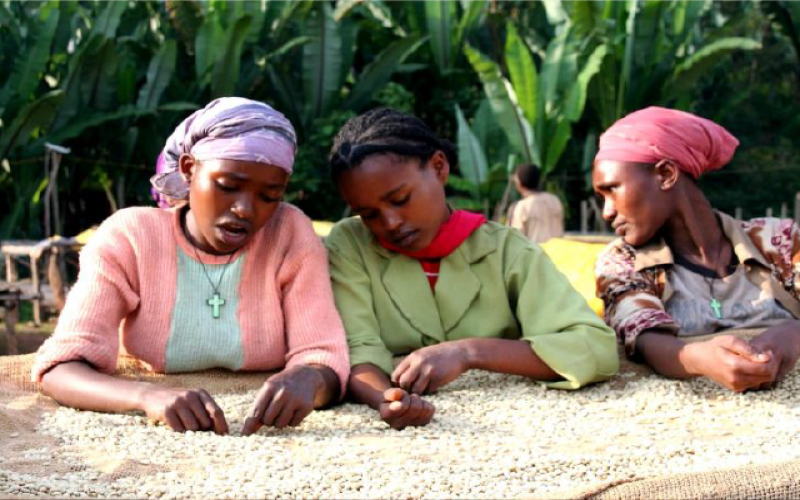
Ethiopia, as the birthplace of coffee, possesses the world's richest coffee gene pool, and the Bench Maji region on the western border is the original homeland of the renowned Geisha variety. Gesha Village Coffee Estate is rooted here, cultivating the highly sought-after Gold Label Geisha through strict plot management and grading systems. In this article, Front Street Coffee will take you on an in-depth journey into the terroir characteristics of Bench Maji, the history and varieties of Gesha Village Coffee Estate, and an analysis of the flavor profile of Gold Label Geisha, followed by detailed pour-over brewing recommendations for coffee enthusiasts to reference. [more…]
Full Analysis of Ethiopia's Gesha Village Coffee Region: From Bench Maji Forest to Gold Label Geisha Coffee Beans
As the birthplace of coffee, Ethiopia possesses the world's richest coffee genetic resources, and the legendary Geisha variety originated from here. However, most people are only familiar with the glory of Panamanian Geisha and know limited information about Ethiopia's native Gesha Village—where exactly is it located? What varieties does it cultivate? How does its grading system operate? This article will guide readers deep into the Bench Maji production region in western Ethiopia, sorting out Gesha Village's geographical background, variety composition, plot division, and lot grading, along with a brewing demonstration of Gold Label Geisha by Front Street Coffee for coffee enthusiasts' reference. [more…]

Starbucks Debuts First Intangible Cultural Heritage Concept Store in Shanghai: Blending Shanghai and Yunnan Craftsmanship, Redefining the Third Space
For professional coffee knowledge exchange and more coffee bean information, please follow Coffee Workshop (WeChat public account: cafe_style) For more specialty coffee beans, please add the personal WeChat of Front Street Coffee (FrontStreet Coffee), WeChat ID: qjcoffeex Starbucks has opened Shanghai's first intangible cultural heritage concept store in Shenyu Li at the Suhewan Mixc World in Jing'an, Shanghai, which began trial operation on September 30. This store combines Yunnan ethnic minority craftsmanship with the design concept of Shanghai qipao, creating a unique venue that serves both as a third place and as an intangible cultural heritage art exhibition space. The store offers Reserve Yunnan coffee beans and incorporates interactive experiences such as siphon coffee brewing. This move continues Starbucks' public welfare trajectory since the "Rural Mothers Acceleration Plan" in 2020 and also echoes the current trend of guochao consumption. [more…]
A Complete Guide to Panama Hacienda La Esmeralda's Grading System: Flavor Profiles and Brewing Guide for Red, Green, and Blue Label Geisha Coffee Beans
Panama's Hacienda La Esmeralda is the discoverer and promoter of the Geisha flavor, and its grading system classifies Geisha coffee beans into different grades such as Red Label, Green Label, and Blue Label, becoming a quality benchmark in the specialty coffee world. Front Street Coffee's most expensive bean comes from here. This article will guide you through Hacienda La Esmeralda's geographical and climatic advantages, the layout of its four major farms, the logic behind its grading system, and the specific differences between Red Label, Green Label, and Blue Label Geisha in terms of cupping flavor and brewing performance. It will also introduce the Geisha characteristics of well-known Panamanian estates such as Janson and Hartmann, providing coffee enthusiasts with a complete reference for purchasing and tasting. [more…]
A Detailed Explanation of the Grade Classifications of Panama Hacienda La Esmeralda Geisha Coffee: Differences Between Red, Green, and Blue Labels and Cupping Flavors
Hacienda La Esmeralda in Panama is the discoverer and promoter of the Geisha flavor, and its original grading system classifies Geisha coffee into different grades such as Red Label, Green Label, and Blue Label according to altitude and cupping performance. From the perspective of Front Street Coffee, this article systematically reviews the four major brand systems of Hacienda La Esmeralda, explains in detail the origin, altitude, processing method, and flavor differences of Red Label (Esmeralda Special), Green Label (Private Collection), and Blue Label (Geisha 1500), and also introduces the climatic advantages of Panamanian coffee, the characteristics of Janson Estate and Hartmann Estate, as well as Front Street's roasting approach, brewing parameters, and cupping performance for three Geisha coffees, providing coffee enthusiasts with a complete guide to Geisha grades. [more…]
Costa Rica Dawn Estate Red Honey Catuai: Tarrazu Origin Flavor and Variety Analysis
In coffee cupping, sweetness is often the key to a higher score, and Costa Rica, with its diverse honey processing methods, has become a representative origin for high-quality sweetness. In this article, Front Street will focus on a red honey processed Catuai from Dawn Estate in the Tarrazu region of Costa Rica, breaking down everything from the estate's story, the terroir of Tarrazu, and the characteristics of the Catuai variety to the details of red honey processing. The estate is located at an altitude of 1,750 meters, surrounded by pristine green belts, and practices ecological principles through meticulous plot management. Through cupping records, we will present the sweet orange, cream, grapefruit, honey, and black tea flavors this bean displays in dry aroma and slurping, and share its flavor performance under a medium-light roast. [more…]
Costa Rica Aquiares Estate Coffee Bean Profile: 2017 WBC Competition Bean and Rainforest Certification Information
Located in the Turrialba region of Costa Rica, Hacienda Aquiares is one of the largest coffee plantations in the country and the birthplace of Centroamericano, the competition bean used at the 2017 World Barista Championship (WBC). Founded in the late 19th century, the estate sits on volcanic slopes between two rivers, with abundant natural water sources and a pristine forest reserve, and it obtained Rainforest Alliance certification as early as 2003/2004. The estate primarily cultivates Arabica varieties such as Caturra, Catuai, and Catimor, employs washed processing combined with sun-drying and mechanical drying, and produces approximately 15,000 bags annually. Its coffee is known for flavors of nuts, caramel, plum, chocolate, and a sucrose-cream finish, with bright fruit acidity and a smooth body. Front Street Coffee has specially compiled complete estate information to give you an in-depth look at the terroir story behind this WBC competition bean. [more…]
Comparing Product Lines from Gesha Village Estate: A Full Analysis of Flavor Differences Between Auction Lot, Gold Label, Red Label, Green Label, and Chaka
Located in Bench Maji, Ethiopia, Gesha Village Coffee Estate was established by Adam Overton after venturing deep into ancient forests to search for seeds between 2007 and 2011. The estate is internally divided into multiple product lines: Auction, Gold, Red, Green, and Chaka, each with clear differences in variety selection, production proportion, screening standards, and flavor presentation. Front Street Coffee will guide you through the three varieties grown at Gesha Village Coffee Estate—Gesha 1931, Gori Gesha, and Illubabor Forest 1974—and break down in detail the definitions and cup profiles of each product line, helping you find the Ethiopian Gesha that best suits your taste. [more…]
What grade do Gesha Village Gold Label Gesha coffee beans belong to? An analysis of the flavor characteristics of Ethiopian Gold Label Gesha
Deep in the Kafa forests of Ethiopia, there is a coffee estate operated along the lines of Panama's Hacienda La Esmeralda model—Gesha Village. It overturned Ethiopia's tradition of being dominated by cooperatives, running as a large 500-hectare farm, growing only the Geisha variety, and establishing a strict grading system. Among these, the Gold Label lot accounts for only 5% of annual production, with quality nearly on par with the auction lot, making it a frequent choice for competitors in coffee events around the world. The Gold Label Geisha that Front Street Coffee has acquired this time comes from the Oma 114 lot, using the Gesha 1931 variety, naturally processed. This article will outline Gesha Village's grading system and variety background, and share Front Street's roasting and brewing insights. [more…]